14 January 2026
A UNIVERSITY OF A NEW GENERATION: ARTIFICIAL INTELLIGENCE, GLOBAL RANKINGS, AND THE LABOR MARKET
Defining the strategic priorities for the country’s development, President of the Republic of Kazakhstan Kassym-Jomart Tokayev emphasizes: “The strategic task is to transform Kazakhstan into a fully-fledged digital state within three years. Artificial intelligence and digital tools must serve the country’s development. It is necessary to form a knowledge-based economy in which creativity and innovation become key drivers of growth, and intellectual capital forms the basis of national competitiveness.”
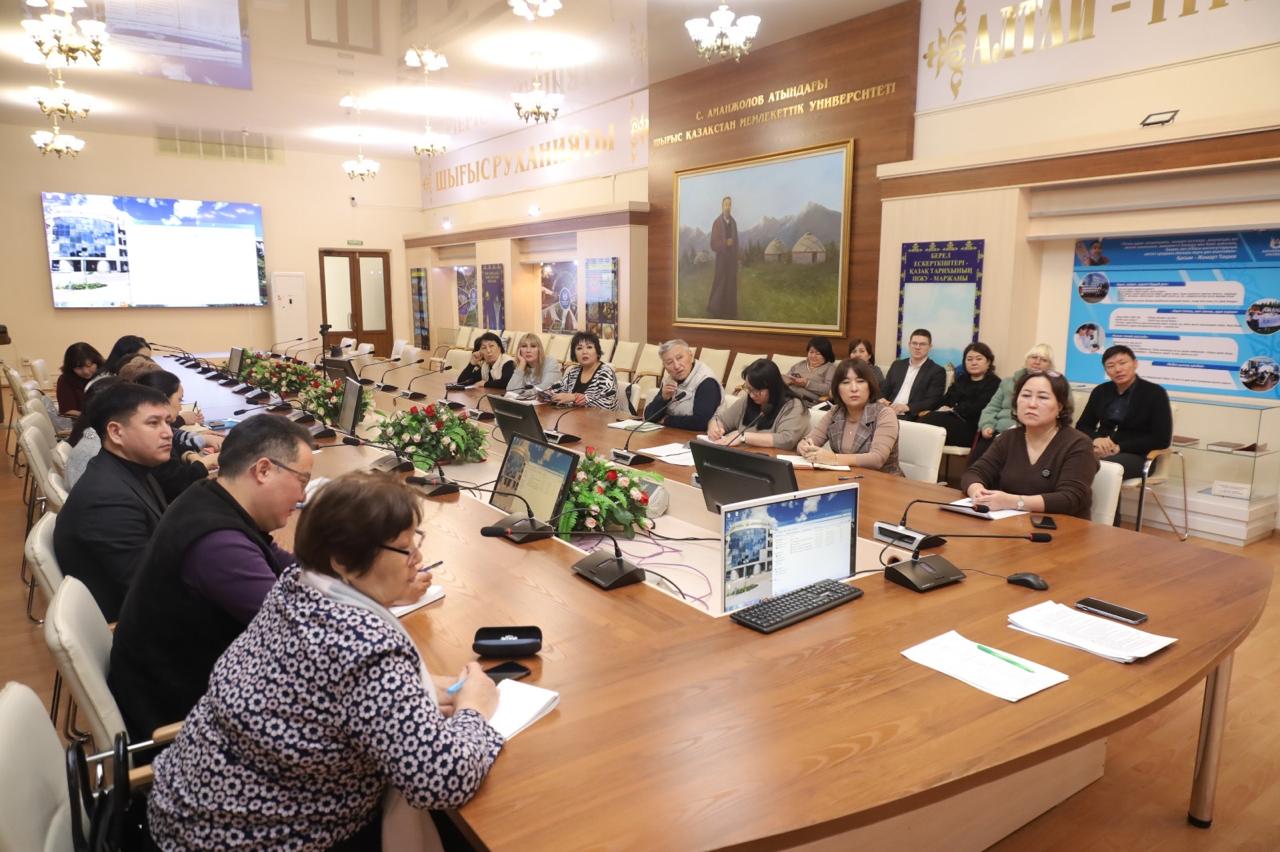
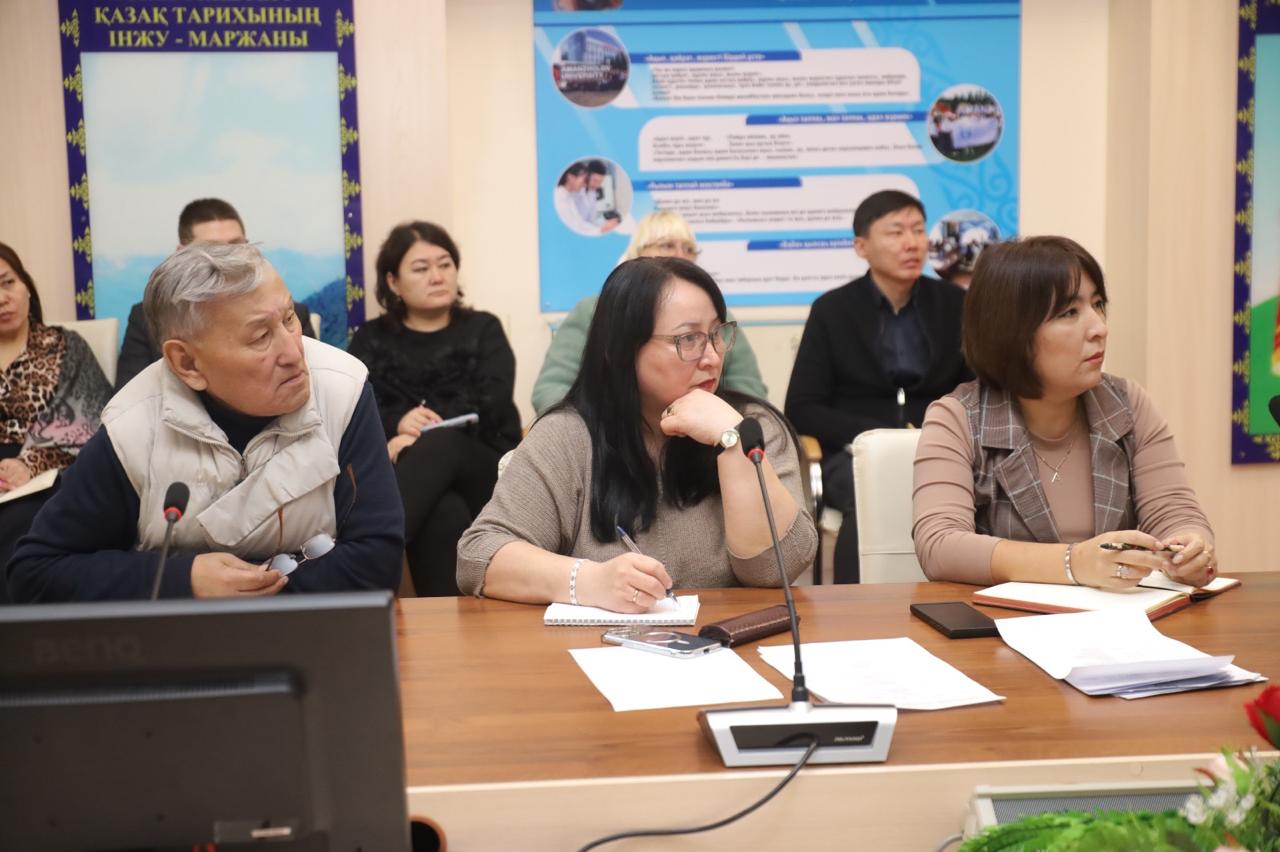
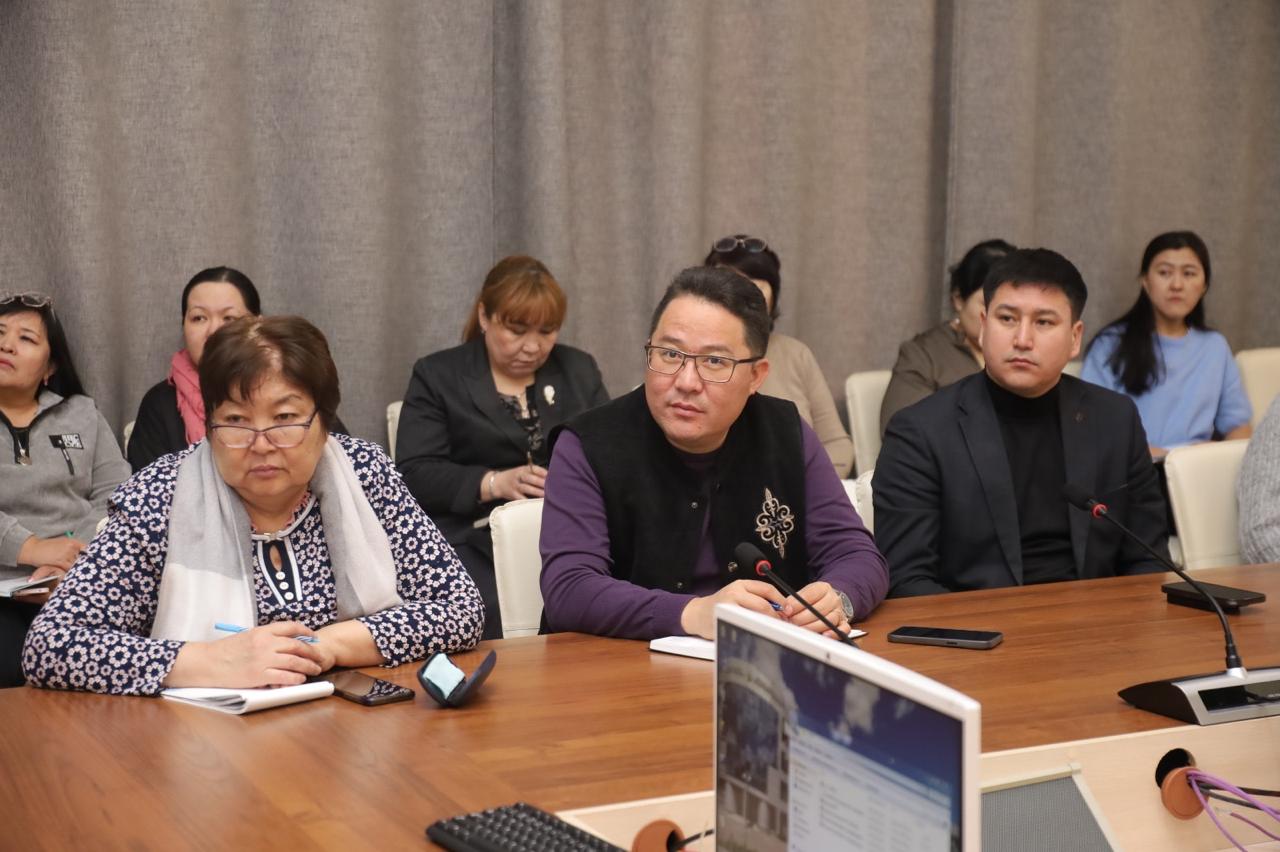
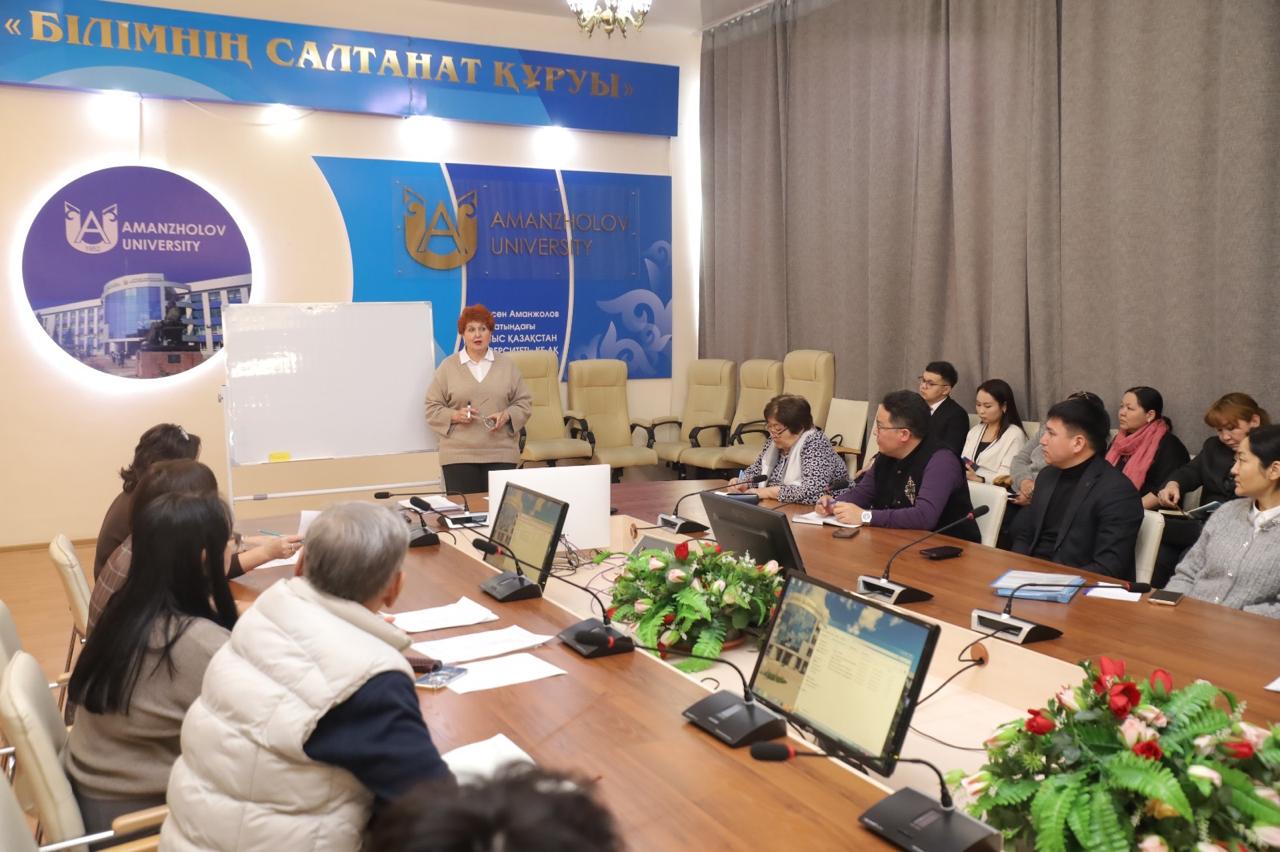
In line with these priorities, a dialogue platform dedicated to the development of higher education and science was held at Sarsen Amanzholov East Kazakhstan University. The event was conducted in an open dialogue format, where participants actively discussed initiatives, formulated proposals, and jointly determined the vectors for modernizing the university ecosystem.
The expert and key speaker on the main development areas was Irina Rovnyakova, Vice Chair of the Board and Vice-Rector for Strategic Development and International Cooperation. In her presentation, she outlined the university’s strategic priorities, issues related to expanding international partnerships, integrating artificial intelligence technologies into educational and research processes, and enhancing the competitiveness of graduates in a transforming labor market.
During the discussion, special attention was paid to the indicators of the Concept for the Development of Science and Higher Education of the Republic of Kazakhstan until 2029. The focus was on forming a competitive, internationally recognized, digital, and inclusive higher education system, as well as on developing universities in close alignment with the real needs of the regional and national economy.
A separate block addressed the integration of Kazakhstan into the global educational space and strengthening the university’s positions in international rankings such as QS World University Rankings, Times Higher Education, and others.
Emphasis was placed on the digitalization of the educational process and the implementation of artificial intelligence technologies. The use of international online platforms, including Coursera and similar resources, makes it possible to expand students’ access to world-class competencies and recognized professional certificates. Plans were also announced to expand workforce training in the field of AI, including within the framework of the state program AI-Sana.
Considerable attention was given to the development of international academic cooperation, including the opening of branches of leading foreign universities, expanding academic mobility, and launching joint and dual-degree educational programs. These measures are aimed at curbing the outflow of talented youth, improving the quality of workforce training, and increasing the attractiveness of the national higher education system.
The discussion agenda also included issues of educational accessibility and social support for students. In particular, increasing the number of educational grants at the bachelor’s, master’s, and doctoral levels, introducing the “Keleshek” savings system, raising state scholarships, and expanding support measures for students from socially vulnerable groups were considered.
Special emphasis was placed on achieving key target indicators, including strengthening the link between the university and the labor market and increasing the share of graduates employed within the first year after graduation. In this context, the need to train specialists based on the current needs of the economy and industry, guided by the regional workforce demand map of East Kazakhstan Region, was highlighted.
The development of research activities was also discussed separately, including strengthening the role of university science, developing and implementing new technological solutions within research projects, commercializing research results, and expanding cooperation with high-tech companies through the attraction of private investment.
The dialogue platform became a significant expert space for exchanging views on shaping next-generation universities, effectively integrating artificial intelligence into the education system, enhancing the international competitiveness of Sarsen Amanzholov East Kazakhstan University, and training specialists who meet the requirements of the modern economy.