6 February 2026
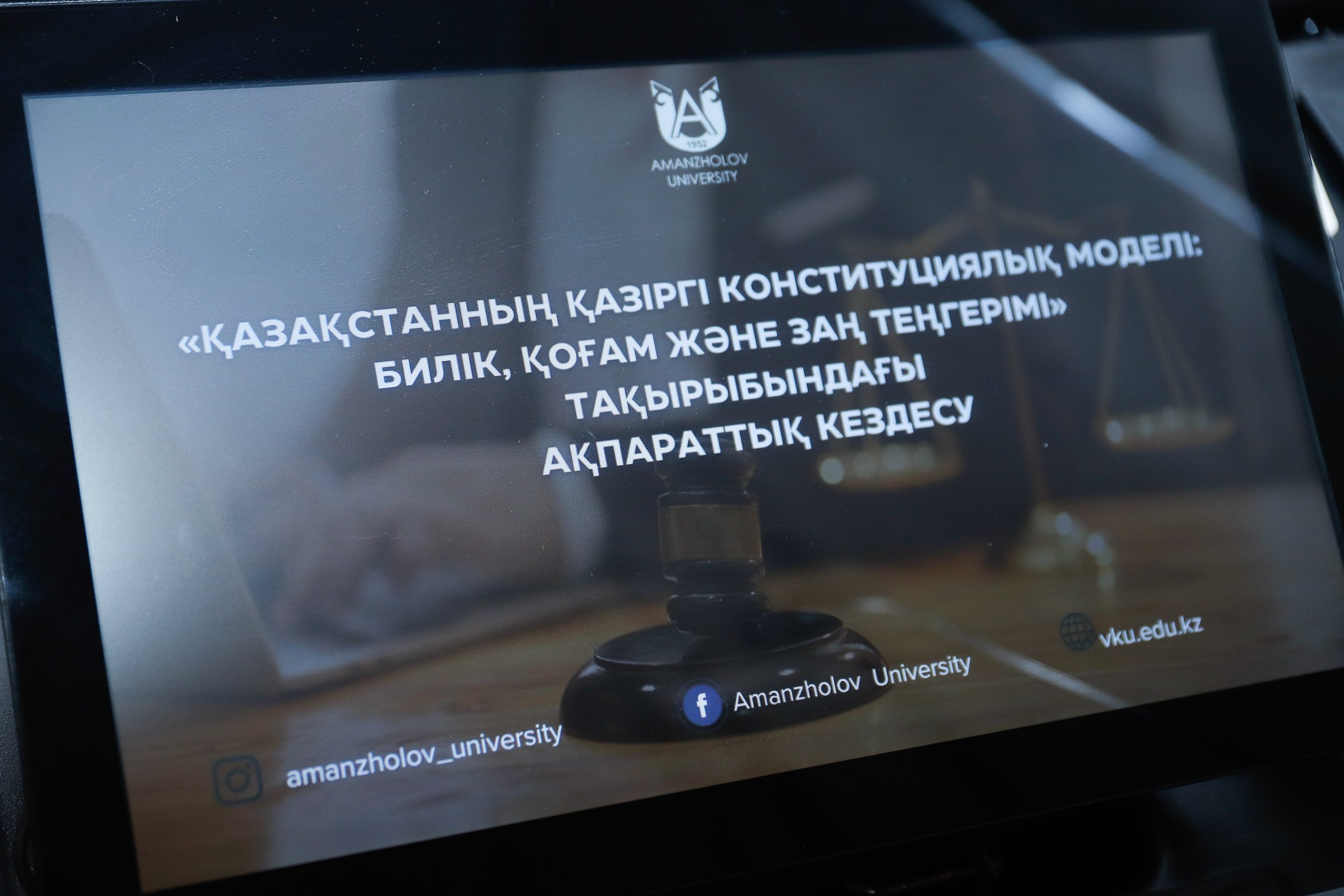
THE DRAFT OF THE NEW CONSTITUTION WAS DISCUSSED AT AMANZHOLOV UNIVERSITY
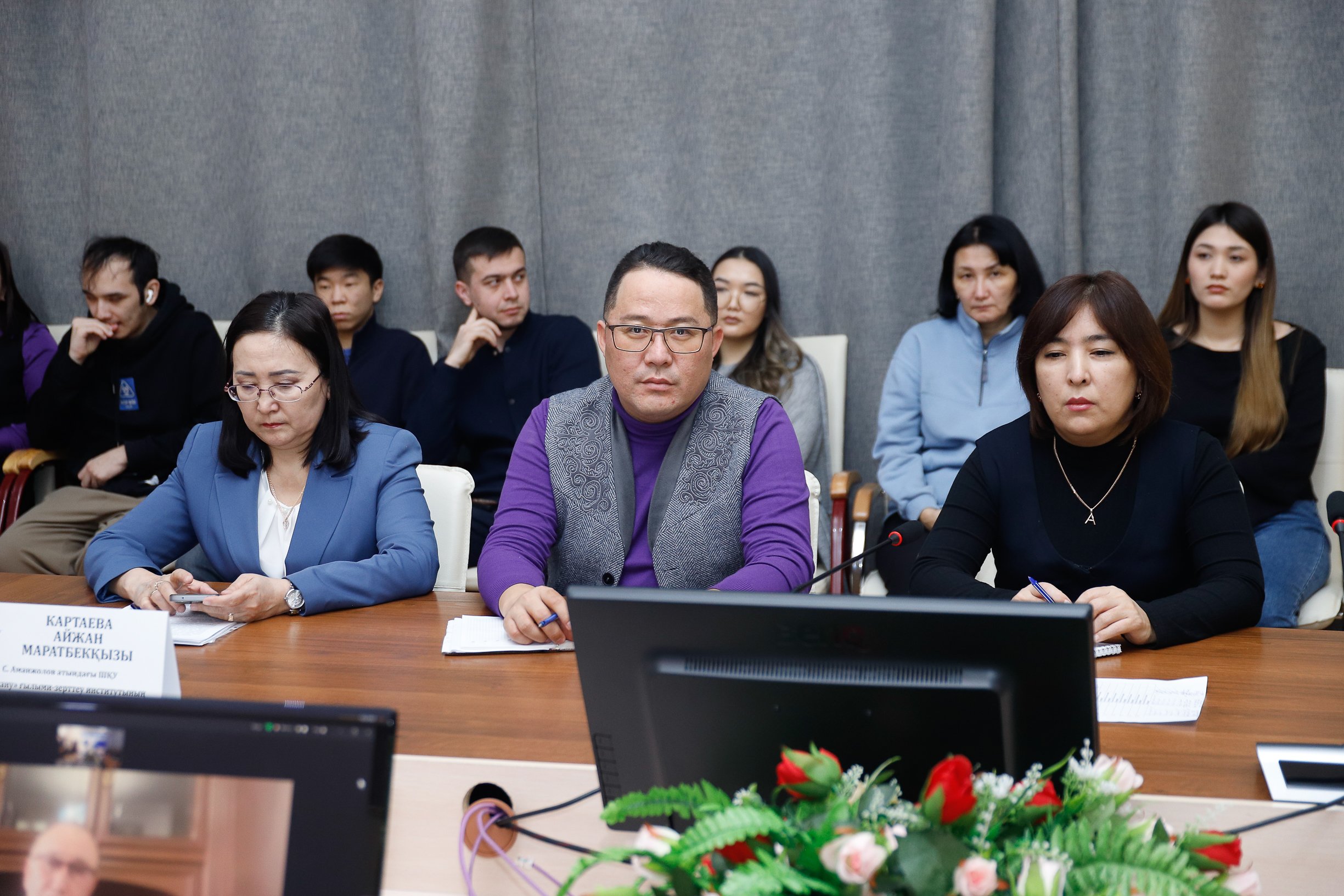
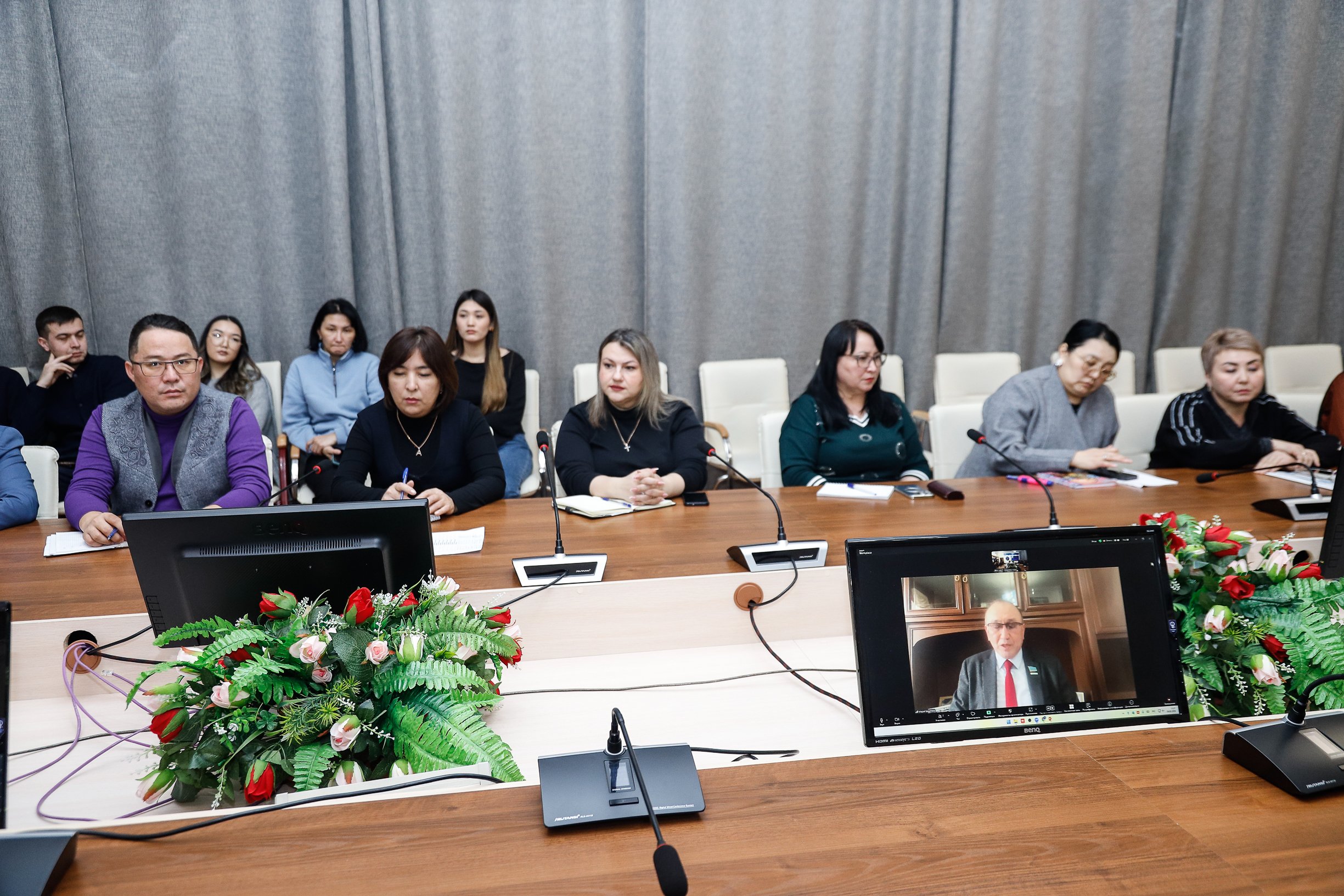
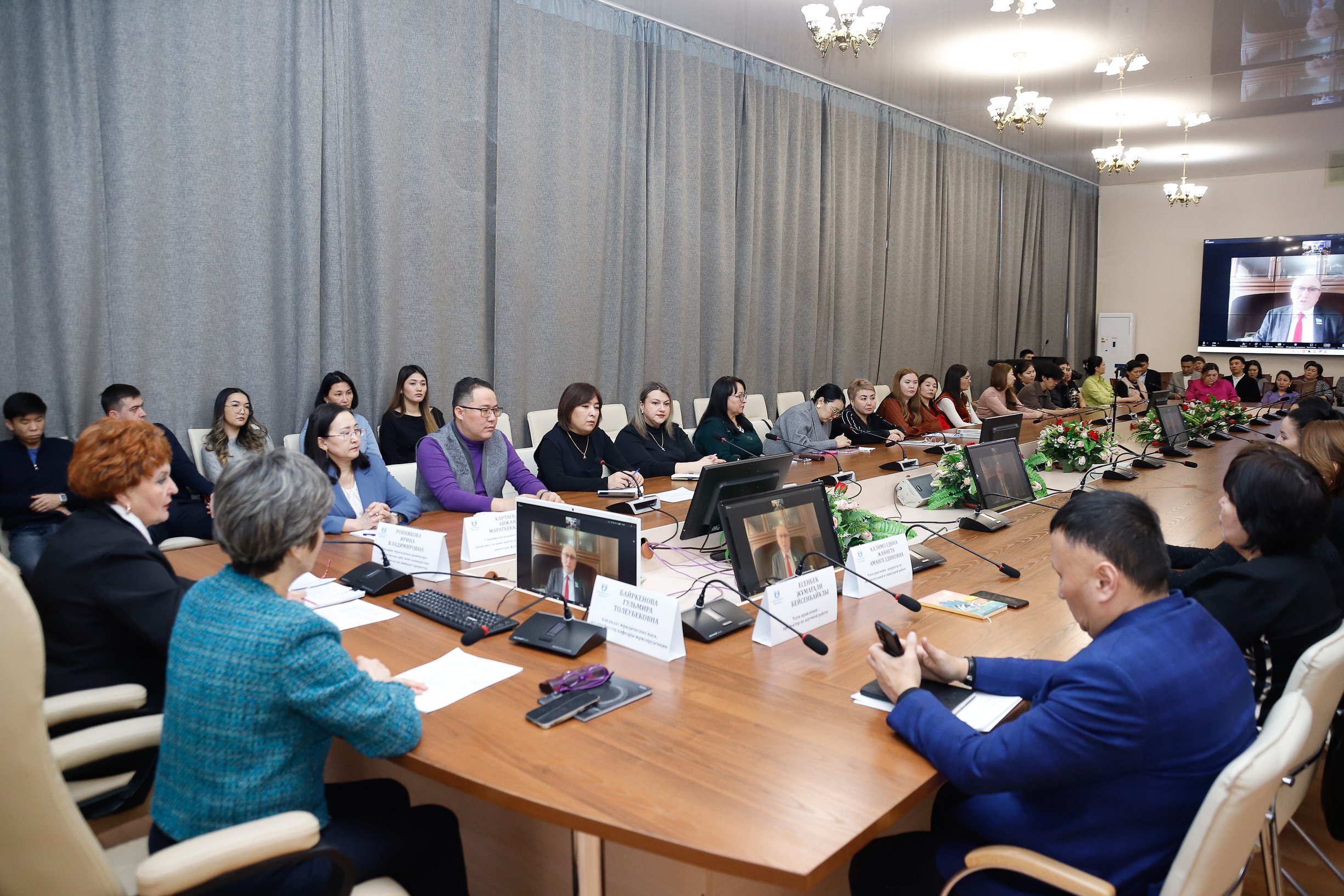
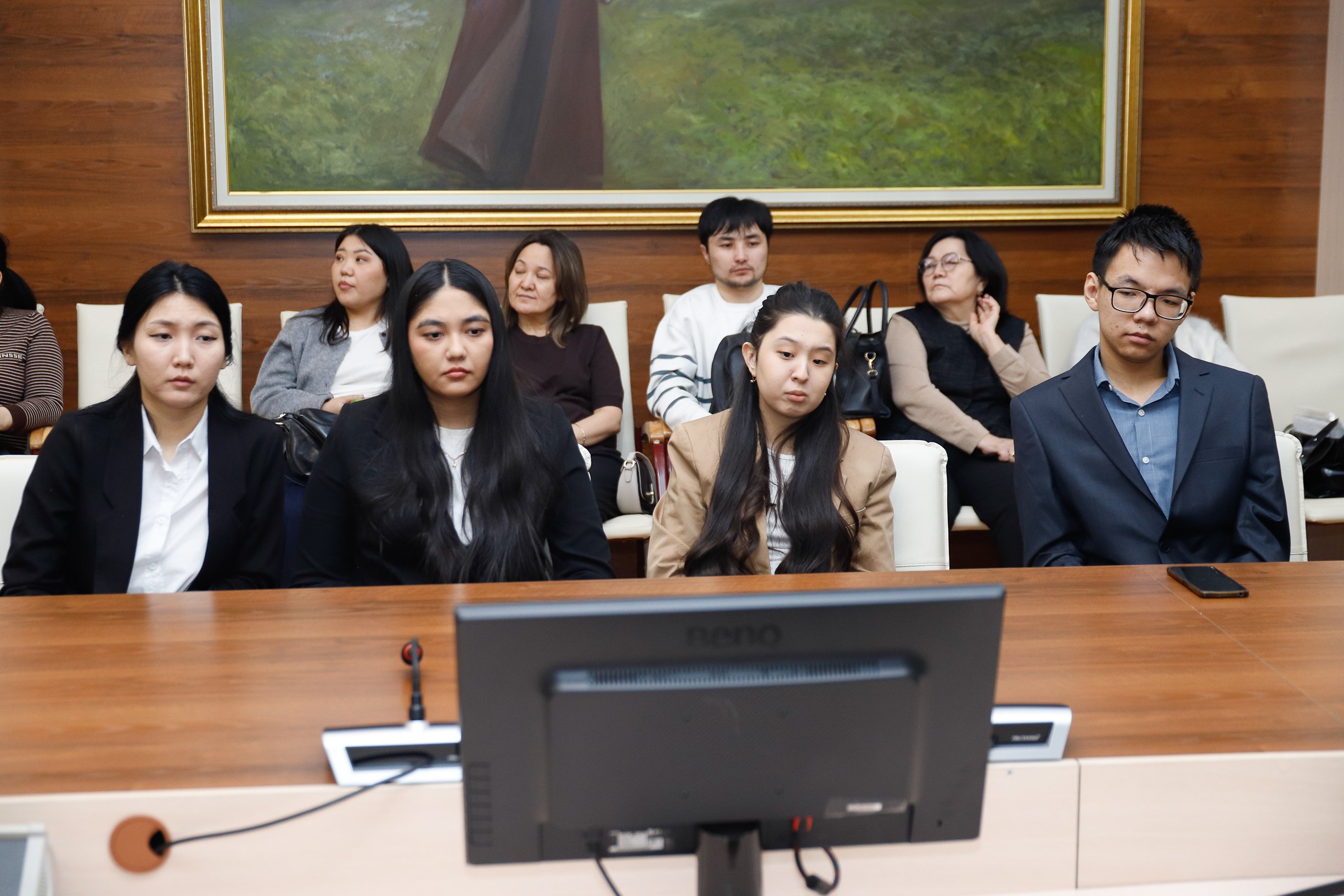
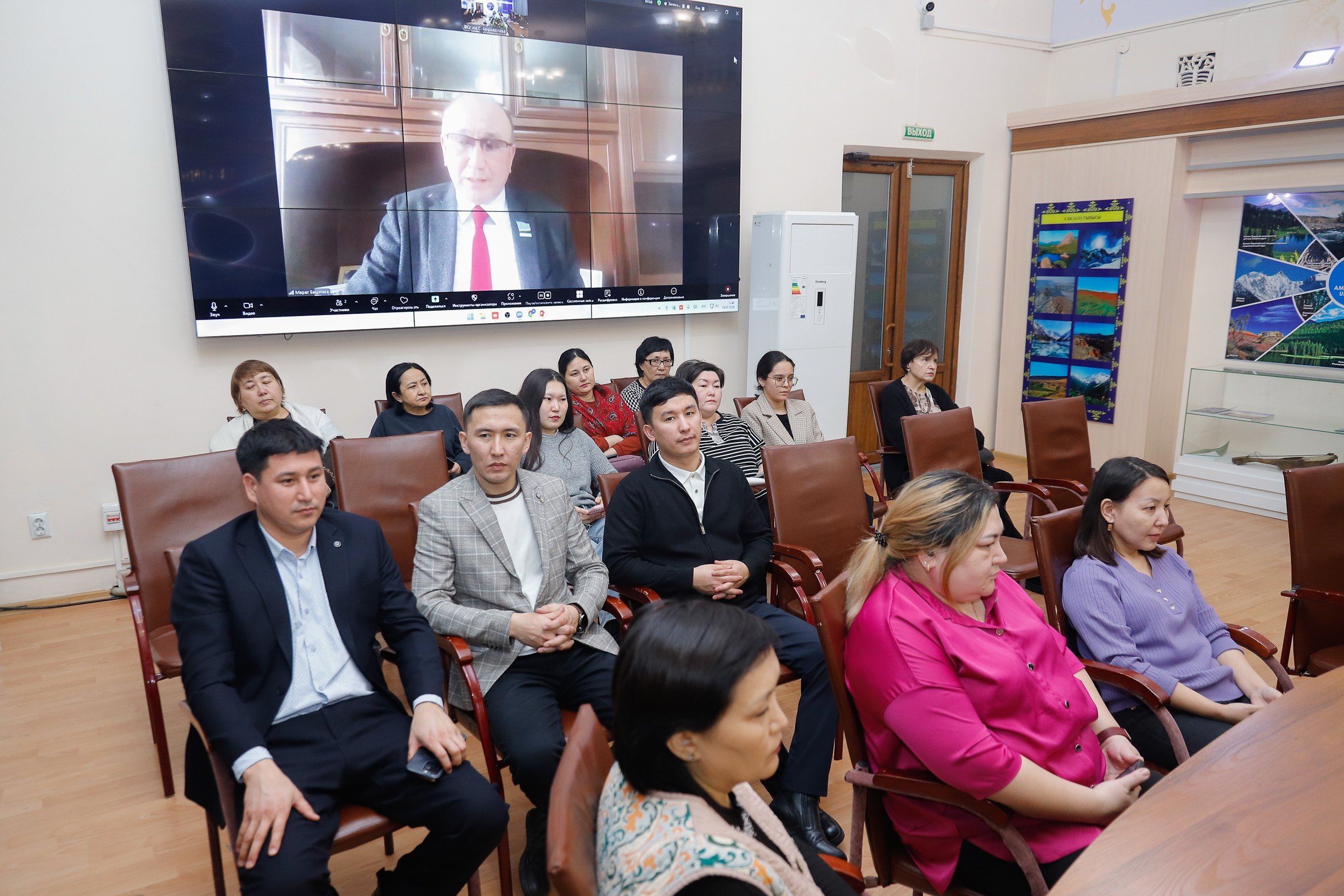
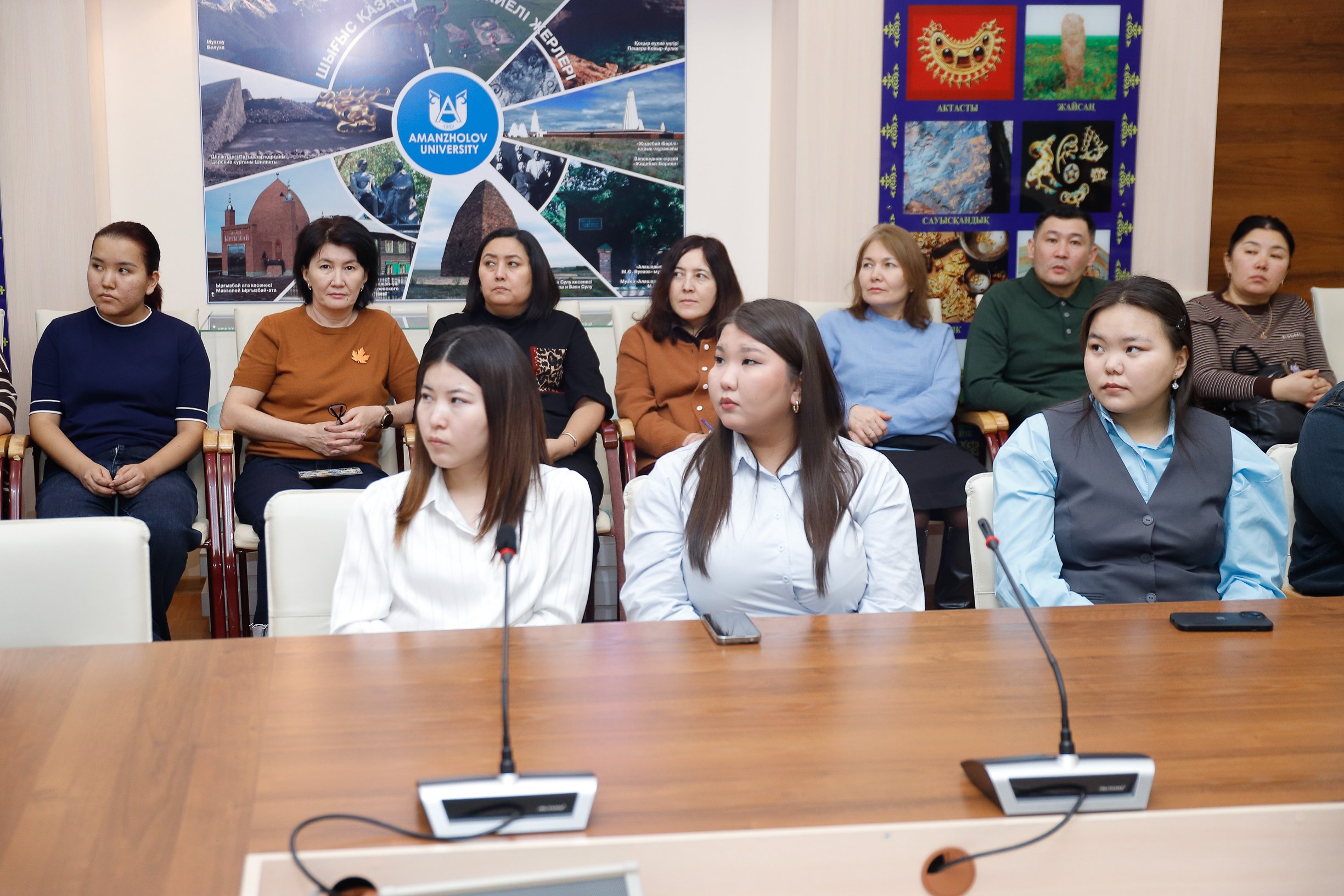
An informational and explanatory meeting was held at Sarsen Amanzholov East Kazakhstan University with the heads of the university’s structural divisions, as well as legal specialists and experts. The participants discussed the draft of the new Constitution and the key directions of the constitutional reform.
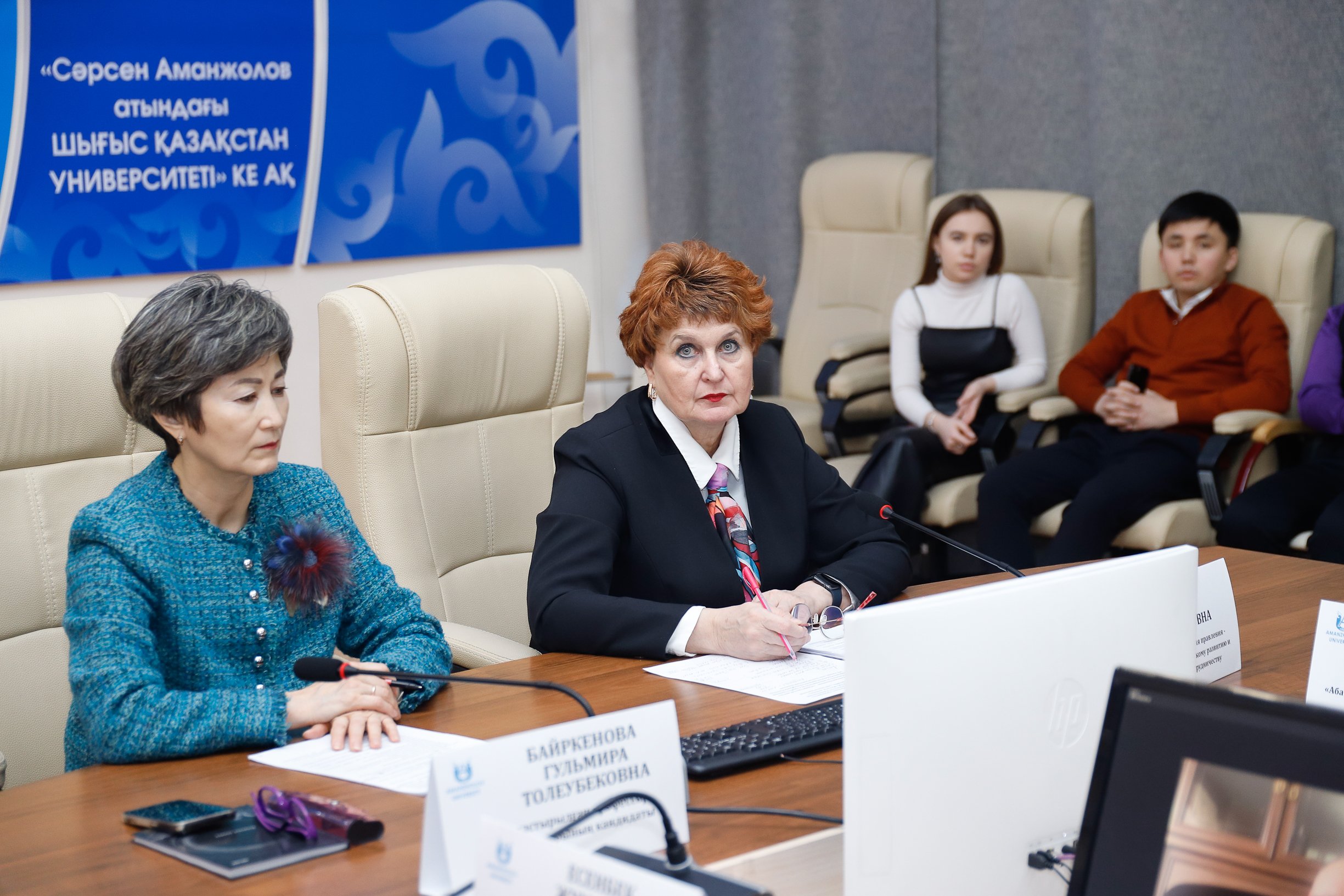
The meeting was moderated by Irina Rovnyakova, Deputy Chair of the Board of Sarsen Amanzholov East Kazakhstan University and Vice-Rector for Strategic Development and International Cooperation. She emphasized the relevance of the phased process of constitutional reform in Kazakhstan and noted that the draft of the new Constitution of the Republic of Kazakhstan is a document of historical scale and strategic importance. According to her, it is not merely an updated set of legal norms, but a holistic vision of the country’s future and a well-considered response to the challenges of the 21st century. The draft Constitution is viewed as a roadmap for national development, with people — their knowledge, dignity, and creative potential — at its center.
The main speaker of the meeting, participating online, was Marat Bashimov, a member of the Committee on Legislation and Judicial and Legal Reform of the Mazhilis of the Parliament of the Republic of Kazakhstan of the VIII convocation, a statesman and public figure. In his speech, he focused on the key concepts of the draft Constitution, expressed his views on the role of constitutional changes in building a rule-of-law state, maintaining a balance between branches of government, and protecting human rights and freedoms. In addition, the speaker shared his professional experience in lawmaking, spoke about the specifics of the development and adoption of constitutional reforms, and highlighted relevant issues arising in law enforcement practice.
Associate Professor of the Department of Jurisprudence Gulmira Bayrkenova also spoke during the meeting. She noted the significance of constitutional reforms in the academic and educational space and emphasized their impact on the system of legal education. According to her, the new constitutional provisions are important for shaping students’ legal consciousness, and discussion of constitutional changes within the academic environment remains particularly relevant.
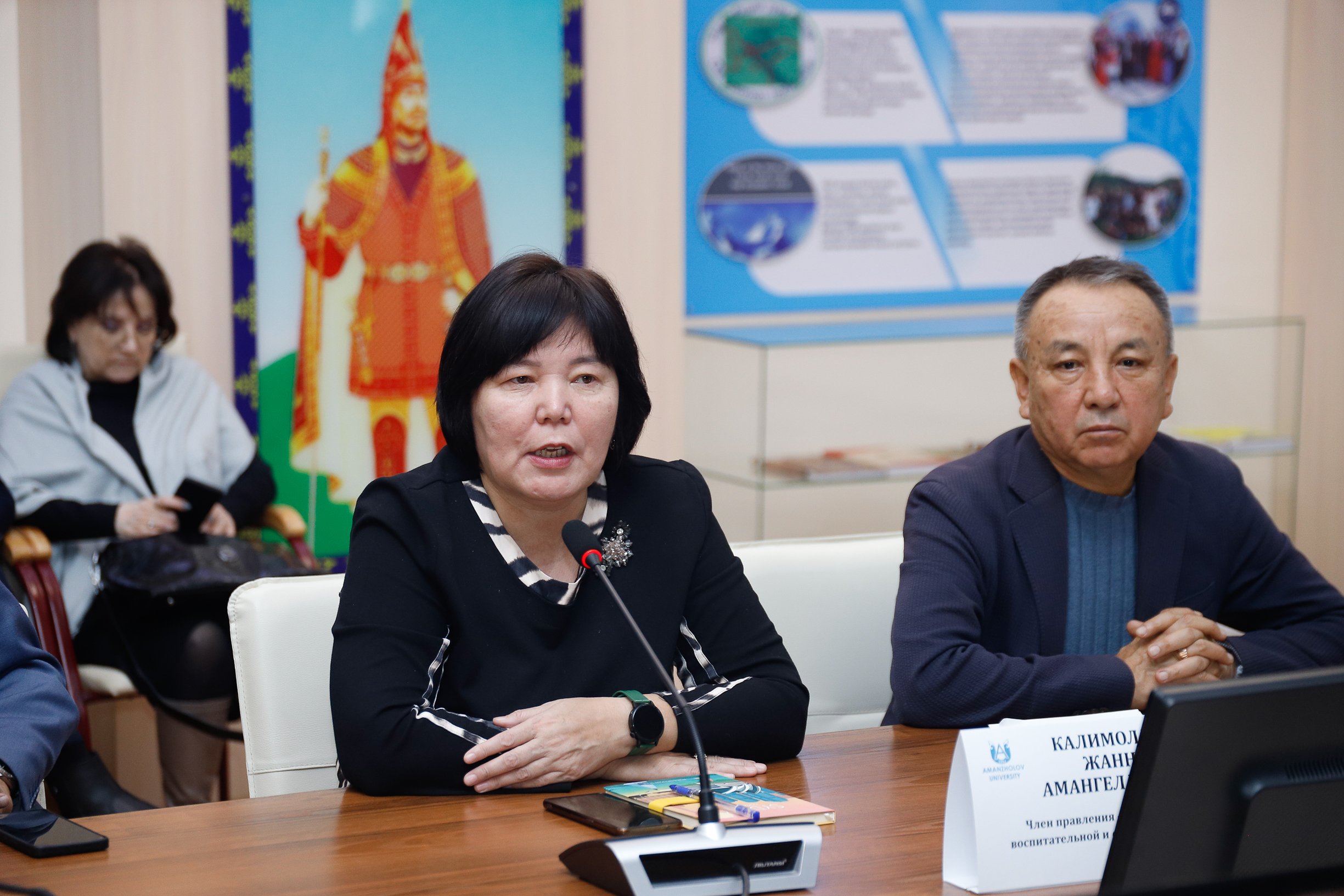
During the meeting, participants asked a number of questions. Specific provisions of the draft Constitution and their possible impact on the fields of education, science, and social development were comprehensively discussed. The exchange of views took place in an open format, allowing participants to freely express their positions and share their perspectives.
In conclusion, the participants emphasized the importance of such events in fostering legal culture and enhancing legal awareness in society, as well as the need for systematic informational and educational outreach efforts.